

Building a high performance training facility requires more than simply filling a gym floor with machines. The equipment selected will influence training quality, athlete safety, member satisfaction, and long term durability. Gym owners, athletic programs, and performance centers must carefully evaluate the design, biomechanics, and engineering behind every piece of strength equipment they install.
Commercial gyms that serve athletes, bodybuilders, and serious lifters demand equipment that supports heavy training loads while maintaining proper movement mechanics. This is why many modern training facilities prioritize strength machines engineered with advanced biomechanics, durable construction, and precise resistance curves.
This guide explains how to choose the best commercial gym equipment for a high performance training facility and highlights the key factors gym owners should evaluate before investing in strength training machines.
Understanding the Needs of a High Performance Training Facility
A high performance training facility serves a wide range of athletes and serious fitness enthusiasts. These facilities often support professional athletes, collegiate sports programs, personal trainers, and individuals pursuing strength and performance goals. Because of this diverse training environment, equipment must accommodate multiple training styles while maintaining reliability under heavy use. Strength machines must support compound movements, isolation exercises, and functional training programs while maintaining consistent performance.
Durability is especially important in commercial environments. Equipment that can withstand repeated use throughout the day is essential for maintaining a safe and efficient training space. Commercial gym equipment manufacturers with decades of engineering experience often focus on durability, biomechanics, and precision manufacturing to meet the demands of high traffic training environments.
Prioritize Biomechanics in Strength Equipment
One of the most important factors when selecting gym equipment is biomechanics. Biomechanics refers to how well a machine aligns with the natural movement patterns of the human body. Strength machines designed with superior biomechanics guide users through movements that match natural joint mechanics. This allows athletes to maintain proper positioning while maximizing muscle engagement during each repetition.
Machines that follow natural movement arcs help distribute resistance correctly across targeted muscle groups. This improves training effectiveness while reducing unnecessary stress on joints and connective tissues. Facilities that invest in biomechanically engineered machines provide a better training experience for members while promoting safer and more effective workouts.
Evaluate Resistance Curves and Muscle Engagement
Resistance curves determine how the difficulty of an exercise changes throughout a movement. Human muscles naturally produce more force in certain positions and less force in others. High quality strength machines account for this by adjusting resistance throughout the exercise.
Precision resistance curves allow machines to maintain consistent tension on the target muscles. This improves muscle activation and increases training efficiency. Plate loaded machines that incorporate advanced resistance curves can create stronger muscle engagement during key phases of a lift. This increased tension supports strength development, muscular endurance, and hypertrophy. When evaluating commercial gym equipment, facility owners should prioritize machines that deliver smooth resistance and maintain tension throughout the entire movement pattern.
Consider Plate Loaded and Weight Stack Systems
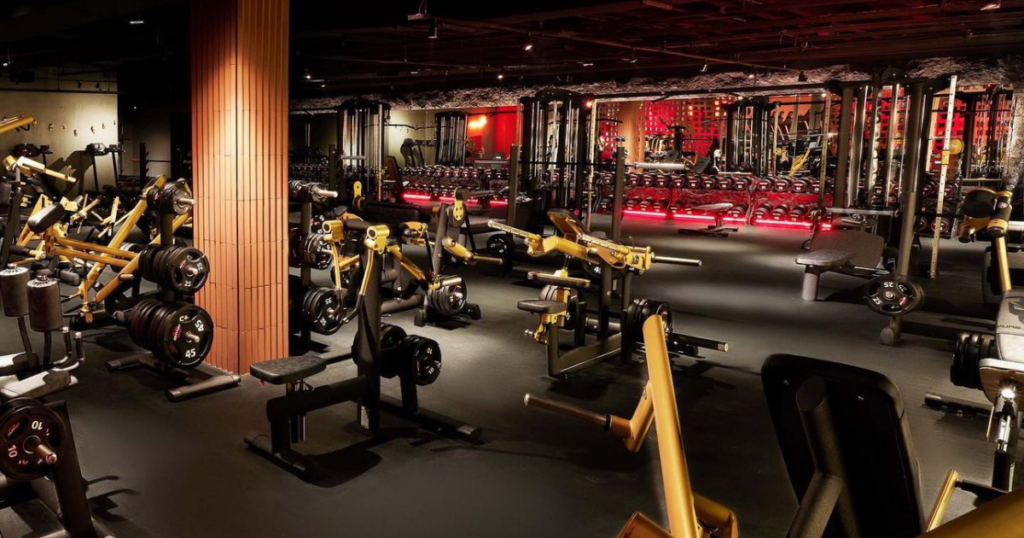
High performance training facilities often include a combination of plate loaded machines and weight stack machines. Each system offers unique advantages depending on the training environment. Plate loaded strength machines are widely used in performance training environments because they allow athletes to train with heavier resistance while maintaining controlled movement mechanics. These machines are often preferred by experienced lifters and bodybuilders who want equipment that closely mimics traditional strength training.
Weight stack machines provide convenience and efficiency by allowing users to adjust resistance quickly using a selector pin. These machines are especially valuable in commercial gyms where members perform circuit training or require fast adjustments between sets. By incorporating both plate loaded and weight stack machines, gym owners can create a balanced training floor that supports a wide range of training goals.
Look for Durable Construction and Engineering
Durability is critical when selecting equipment for a commercial training facility. Strength machines must withstand constant use from multiple users throughout the day. One key factor in durability is the construction method used to build the equipment. Machines built with fully welded frames often provide greater structural integrity compared to machines assembled primarily with bolts. Welded construction helps prevent loosening over time and ensures the machine maintains stability even under heavy resistance.
High quality commercial gym equipment is also manufactured using premium materials and precise engineering standards. Many leading manufacturers produce a large percentage of their equipment in house to maintain strict quality control throughout the production process. Choosing machines built with durable materials and strong engineering ensures the equipment will perform reliably for years in a demanding commercial environment.
Safety Features That Support Effective Training
Safety is another critical factor when selecting commercial gym equipment. Advanced strength machines often include features designed to help users maintain proper positioning during exercises. One important feature is the quick start pedal. Quick start systems allow users to begin exercises from a stable and safe position without placing unnecessary strain on joints or connective tissue.
These features are especially helpful during pressing exercises where the starting position can affect joint alignment. By assisting users into the correct starting position, quick start pedals help reduce injury risk and improve the overall training experience. Facilities that prioritize equipment with built in safety features create an environment where members can train confidently and effectively.
Design a Strength Training Floor That Supports Performance
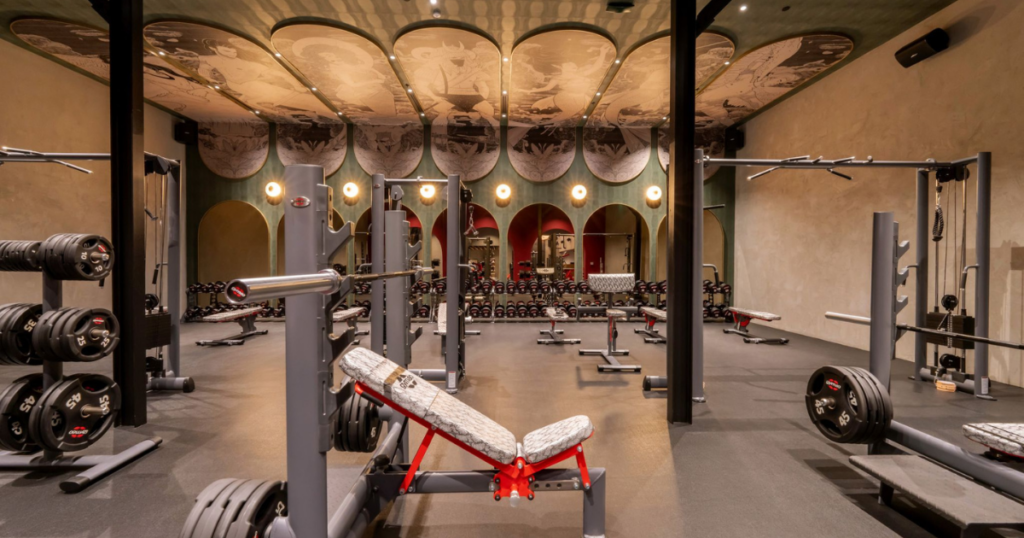
The layout of a gym floor can significantly impact the training experience. A well designed strength training area allows athletes and members to move efficiently between exercises while maintaining access to key equipment. Performance focused facilities often organize equipment into several training zones.
Compound strength training areas may feature plate loaded machines designed for pressing, pulling, and lower body movements. Accessory training zones can include weight stack machines that allow users to isolate specific muscle groups. Functional training areas may incorporate racks, rigs, and open floor space to support athletic conditioning and mobility training. By organizing equipment strategically, gym owners can create a training environment that supports both performance training and general fitness.
Consider the Reputation of the Equipment Manufacturer
When investing in commercial gym equipment, the reputation and experience of the manufacturer should also be considered.
Manufacturers with a long history in strength equipment design often bring decades of research and engineering expertise to their products. This experience helps ensure machines are designed with accurate biomechanics, reliable resistance systems, and durable construction. Equipment companies that emphasize innovation, durability, and precision engineering are often trusted by professional training facilities and elite athletes. Selecting equipment from established manufacturers can provide gym owners with confidence that their investment will deliver consistent performance and long term reliability.
Final Thoughts
Choosing the best commercial gym equipment for a high performance training facility requires careful evaluation of several key factors. Biomechanics, resistance curves, durability, and safety features all play a critical role in determining how effectively a machine supports strength training. Plate loaded machines and weight stack machines both contribute valuable benefits to a training environment, and many facilities choose to incorporate both systems to serve different training needs.
By investing in strength equipment designed with superior biomechanics and durable engineering, gym owners can create a facility that supports athletes, bodybuilders, and fitness enthusiasts for years to come. A well equipped training environment not only improves performance outcomes but also builds a reputation for quality that attracts serious lifters and dedicated members seeking the best training experience possible.
FAQ Section
What should gym owners consider when buying commercial gym equipment?
Gym owners should consider biomechanics, durability, resistance curves, safety features, and the reputation of the equipment manufacturer.
What equipment is required for a high performance training facility?
High performance training facilities typically include plate loaded machines, weight stack machines, racks, functional training equipment, and strength machines designed with superior biomechanics.
Why is biomechanics important in gym equipment?
Biomechanics ensures that strength machines follow natural human movement patterns, improving muscle engagement and reducing joint stress during workouts.
Is plate loaded or weight stack equipment better for commercial gyms?
Both types of equipment provide benefits. Plate loaded machines support heavy strength training while weight stack machines offer convenience and controlled movement patterns for members.
