

Strength training has evolved dramatically over the last several decades. Modern training environments now rely on advanced engineering, movement science, and equipment design to help athletes and everyday lifters train more effectively. One of the most important concepts driving this evolution is biomechanics.
When strength machines are engineered according to the way the human body naturally moves, they can dramatically improve muscle engagement, training efficiency, and overall performance. This is why leading training facilities, professional athletes, and experienced bodybuilders place such importance on equipment designed with superior biomechanics. In this article, we explore how biomechanically engineered strength machines help maximize muscle engagement, improve safety, and deliver better long term training results.
What Biomechanics Means in Strength Training
Biomechanics refers to the study of how the body moves during physical activity. In strength training, it focuses on how joints, muscles, and connective tissues interact during exercises such as presses, pulls, squats, and rows.
When strength machines are designed with accurate biomechanics in mind, they allow users to move through natural motion patterns that align with human anatomy. This ensures the targeted muscles are properly activated while minimizing unnecessary stress on joints and connective tissue. High quality strength machines follow natural movement arcs that match the body’s structure. This allows users to train in positions that support efficient force production and consistent muscle tension. Modern strength equipment manufacturers focus heavily on biomechanics because poor machine design can limit training results. When a machine forces unnatural movement patterns, it may shift tension away from the intended muscle group or place excessive stress on joints. Machines engineered around true human movement patterns solve this issue by guiding users through positions that support effective strength development.
Why Biomechanically Designed Machines Increase Muscle Engagement
Muscle engagement refers to how effectively a muscle is activated during an exercise. The more accurately tension is applied to the target muscle group, the greater the potential for strength gains and hypertrophy. Biomechanically engineered machines help maximize muscle engagement in several ways.
Consistent Tension Throughout the Movement
A well designed strength machine maintains tension on the target muscle throughout the full range of motion. This is achieved through precision resistance curves that match the body’s natural strength capabilities during different phases of a lift.
Machines such as plate loaded systems and weight stack machines that are engineered with precision resistance curves allow users to maintain strong tension during both the lifting phase and the lowering phase of an exercise. For best results during any strength exercise, remember proper breathing technique. Exhale during the lifting phase of the movement and inhale during the lowering phase. This supports stability and helps maintain proper control.
Improved Muscle Isolation
Machines designed with superior biomechanics allow athletes to isolate specific muscle groups more effectively. When a machine aligns correctly with joint positioning, the body can apply force directly to the intended muscle group without compensating through other muscles. For example, a properly engineered chest press machine ensures that the chest muscles remain the primary driver of the movement. This allows experienced lifters and athletes to focus on building strength and hypertrophy without excessive shoulder strain.
Reduced Energy Loss
When equipment follows natural movement patterns, less energy is wasted correcting awkward positions. This means more energy is directed toward the muscles being trained, resulting in more productive training sessions. This efficiency is particularly important for high level strength athletes who prioritize consistent muscle stimulation and progressive overload.
The Role of Resistance Curves in Strength Machines
Resistance curves are one of the most important elements of biomechanically engineered equipment. During any strength movement, the body is stronger in certain parts of the movement and weaker in others. A properly designed machine adjusts resistance throughout the movement to match these natural strength variations. Advanced plate loaded equipment uses carefully engineered resistance curves that create greater muscle tension where the body can produce the most force. This results in stronger muscle activation and improved training efficiency.
Strength machines that incorporate precision resistance curves provide consistent muscular tension throughout the entire movement pattern. This leads to greater strength development and improved hypertrophy over time.
Why Professional Athletes Value Biomechanics in Equipment
Professional athletes and experienced lifters are extremely aware of the impact equipment design has on training quality. For this reason, high performance training facilities invest heavily in strength machines that are built according to accurate biomechanical principles.
Elite athletes rely on equipment that allows them to train intensely while maintaining proper movement mechanics. Machines that align with human biomechanics help reduce unnecessary joint stress and allow athletes to focus on developing strength, power, and muscular endurance. Training facilities that serve bodybuilders, competitive athletes, and serious lifters often prioritize premium strength equipment because it allows users to train consistently without sacrificing joint health. This combination of performance and safety is one of the primary reasons biomechanically engineered machines are widely respected in the strength training community.
Strength Machines That Support Natural Movement
Several types of strength machines benefit from biomechanical engineering.
Plate Loaded Strength Machines
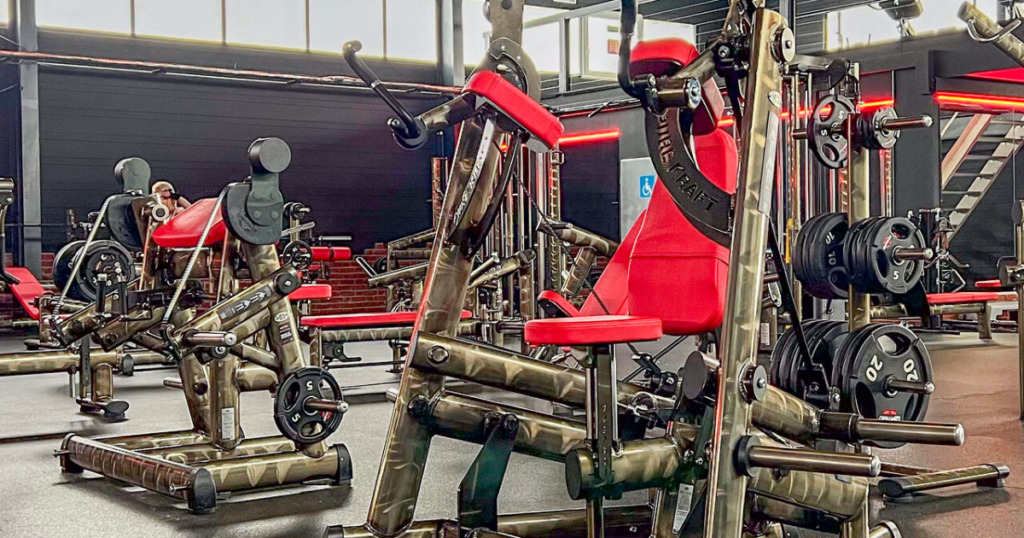
Plate loaded equipment allows users to train with resistance that closely mimics free weight movement patterns while maintaining guided stability. This type of machine is especially valued by experienced lifters because it allows them to push heavy loads while maintaining natural movement mechanics. Plate loaded machines also allow for increased muscle engagement because users must actively control the resistance throughout the movement.
Weight Stack Machines
Weight stack machines provide a controlled environment that allows users to isolate muscles while maintaining precise movement patterns. These machines are commonly used in commercial gyms, athletic training facilities, and rehabilitation environments. The key advantage of properly designed weight stack machines is their ability to guide users through biomechanically accurate movement patterns that support effective strength development.
Functional Training Equipment
Functional training systems are designed to replicate real world movement patterns used in sports and everyday activity. When these systems are engineered with biomechanics in mind, they allow athletes to develop strength that directly transfers to athletic performance.
Safety Benefits of Biomechanically Engineered Machines
Safety is another major advantage of strength machines designed around biomechanics. When equipment supports natural joint positioning, it reduces the likelihood of improper movement mechanics that can lead to injury. This allows users to train with confidence while maintaining proper form. Many advanced machines also include safety focused design features such as quick start pedals that help users begin exercises in stable positions. These features significantly reduce the risk of strain during the initial phase of a lift. Superior biomechanics combined with thoughtful safety features allow athletes, beginners, and experienced lifters alike to train effectively while protecting their joints.
Why Gym Owners Should Prioritize Biomechanics
Gym owners and training facility operators increasingly recognize the importance of equipment design. Facilities that invest in high quality biomechanically engineered strength machines often provide a better training experience for members. When equipment supports proper movement mechanics, members are able to train more effectively and consistently. This leads to greater satisfaction, improved results, and stronger long term retention. Professional training facilities, performance centers, and strength focused gyms frequently choose equipment designed around biomechanics because it supports both athlete development and member safety.
The Future of Strength Training Equipment
As strength training continues to evolve, biomechanics will remain one of the most important factors in equipment design. Manufacturers are continually refining movement patterns, resistance curves, and safety features to help athletes achieve better results. The growing demand for high performance training equipment reflects a shift in the fitness industry toward more intelligent machine design. Instead of simply adding resistance, modern strength equipment is engineered to work with the body rather than against it. This approach leads to stronger muscle engagement, more efficient workouts, and long term training success.
Final Thoughts
Biomechanics plays a critical role in how effectively strength machines perform. Equipment that is designed according to the natural movement patterns of the human body allows users to train with greater precision, improved safety, and stronger muscle engagement.
Whether used by professional athletes, experienced lifters, or fitness enthusiasts, biomechanically engineered strength machines support more productive workouts and better long term results. As the fitness industry continues to prioritize performance and durability, equipment designed around superior biomechanics will remain essential for gyms and training facilities focused on delivering world class strength training experiences.
