Selecting the right strength training equipment is one of the most important decisions a gym owner or facility operator will make. The equipment you install will shape the training experience for athletes, personal trainers, and members for many years. Two of the most common strength training systems found in commercial gyms are plate loaded machines and weight stack machines.
Both types of strength equipment play an important role in a well designed training environment. Understanding how each system works and how they support different training goals can help gym owners build a facility that attracts serious lifters, supports athletic performance, and provides a safe environment for members. This guide explores the key differences between plate loaded and weight stack machines, how biomechanics impacts their effectiveness, and how to choose the right equipment for your training facility.
Understanding Plate Loaded Strength Machines
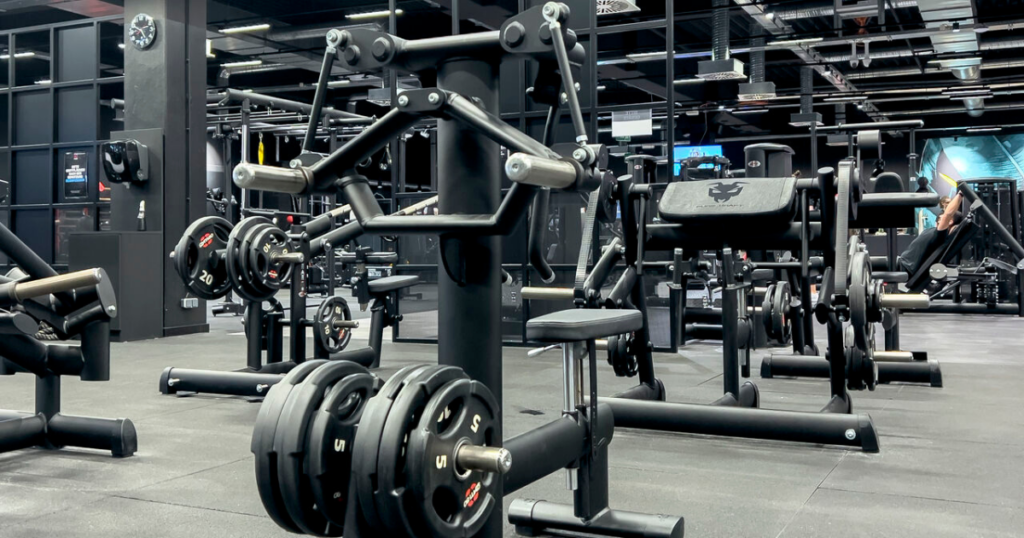
Plate loaded strength machines are designed to use standard weight plates for resistance. Users add or remove plates from the machine depending on the amount of resistance required for the exercise. These machines are widely used in high performance training facilities, strength focused gyms, and athletic training centers because they allow athletes to train with significant resistance while maintaining controlled movement mechanics.
Plate loaded machines combine many of the benefits of free weight training with the stability of machine guided movement. This allows experienced lifters, athletes, and bodybuilders to train heavy while maintaining proper technique.
Advantages of Plate Loaded Machines
Plate loaded strength equipment offers several advantages for gyms that cater to performance driven members.
Greater muscle engagement
Plate loaded machines are engineered to create stronger tension on the target muscle groups. When paired with precision resistance curves, they help athletes maintain consistent muscular tension throughout the movement.
Appeal to experienced lifters
Serious lifters and bodybuilders often prefer plate loaded equipment because it allows them to progressively increase resistance in a way that closely mimics traditional strength training.
Durability for high performance environments
Commercial grade plate loaded machines are built for intense use and heavy resistance. Many of these machines feature fully welded frames rather than bolted construction, providing greater structural integrity and long term durability in high traffic training facilities.
Advanced resistance curves
Premium plate loaded machines can incorporate precision resistance curves that maintain tension on the muscle throughout the movement pattern. This increased tension leads to greater strength development and hypertrophy.
Understanding Weight Stack Machines
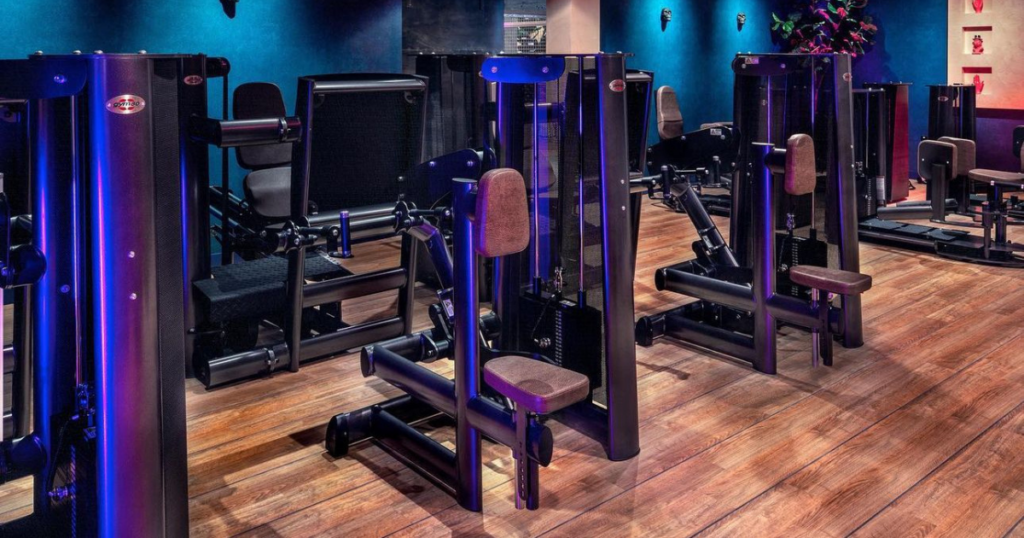
Weight stack machines use a vertical stack of weight plates connected by cables or guide rods. Users adjust resistance by inserting a pin into the desired weight level. Weight stack equipment is extremely common in commercial gyms because it provides a convenient and efficient way for members to perform strength exercises. These machines are especially useful for beginners, rehabilitation environments, and training programs that require quick weight adjustments between sets.
Advantages of Weight Stack Machines
Weight stack machines offer several benefits that make them valuable in many gym environments.
Ease of use
Users can quickly change resistance by adjusting the selector pin. This convenience allows members to move efficiently between exercises and maintain a steady training pace.
Controlled movement patterns
Weight stack machines guide users through specific movement patterns that align with proper biomechanics. This helps reduce the likelihood of improper technique during exercises.
Ideal for circuit training
Because weight adjustments are fast and simple, weight stack equipment is ideal for group training programs and circuit style workouts.
Versatility for a wide range of members
From fitness enthusiasts to rehabilitation clients, weight stack machines provide a controlled and accessible training option for a broad audience.
The Role of Biomechanics in Strength Equipment
Regardless of whether a gym installs plate loaded machines or weight stack machines, biomechanics should always be a top priority.
Biomechanics refers to the way equipment aligns with the natural movement patterns of the human body. Machines engineered with proper biomechanics allow users to move through exercises in ways that support efficient muscle engagement while reducing joint stress. When strength machines follow natural movement arcs and support proper joint positioning, they allow athletes and members to train more effectively. Manufacturers that specialize in high performance strength equipment often design machines around natural human movement patterns to maximize both performance and safety. With decades of engineering experience, leading equipment manufacturers continue refining machine biomechanics to support strength development and durability.
Safety Features That Improve Training
Safety should always be considered when selecting strength equipment for a gym facility. One feature commonly found on advanced strength machines is the quick start pedal. Quick start pedals allow users to begin exercises from a safe and stable position. This is particularly useful for pressing movements where the starting position can otherwise place stress on the joints.
By positioning the user correctly at the beginning of the exercise, quick start systems reduce the risk of strain and improve the overall training experience. Safety features like these are especially valuable in commercial gyms where members of varying experience levels are using the equipment.
Creating a Balanced Strength Training Floor
The most successful gyms rarely rely exclusively on one type of strength equipment. Instead, they create a balanced training environment that incorporates both plate loaded machines and weight stack machines. This approach allows a gym to serve multiple training audiences.
Athletes and experienced lifters often gravitate toward plate loaded machines for heavy training sessions focused on strength and hypertrophy. At the same time, weight stack machines provide an accessible and efficient option for general fitness members who want a straightforward training experience. By combining both systems, gym owners can create a facility that appeals to a wide range of users.
What Professional Gyms Often Choose
Many high performance training centers prioritize plate loaded machines for major compound exercises because they allow athletes to train with significant resistance and maintain strong muscle tension.
At the same time, weight stack machines remain valuable for accessory movements, isolation exercises, and rehabilitation programs. Facilities that serve athletes, bodybuilders, and serious lifters often design their strength floors around plate loaded equipment while incorporating weight stack machines to support training variety and accessibility. This hybrid approach creates a well rounded training environment that supports both performance focused training and everyday fitness goals.
Maintenance and Long Term Durability
Durability is another important consideration when choosing strength equipment. High quality commercial strength machines are designed to withstand years of heavy use. Equipment built with welded frames typically offers greater structural integrity compared to machines assembled with multiple bolts that can loosen over time. Regular maintenance is also essential to ensure long term performance. Proper cleaning and equipment care help maintain upholstery, paint finishes, and moving components. Avoid harsh chemical cleaners or alcohol based products that can damage equipment surfaces and shorten the lifespan of upholstery materials. By maintaining equipment properly, gyms can ensure their strength machines continue performing reliably for many years.
Final Thoughts
Choosing between plate loaded and weight stack machines is not always about selecting one system over the other. Both types of strength equipment play an important role in a well designed gym facility. Plate loaded machines offer powerful muscle engagement, heavy training capacity, and strong appeal for experienced lifters and athletes. Weight stack machines provide convenience, accessibility, and controlled movement patterns that support a wide range of users.
When selecting strength equipment for a gym facility, the most important factor is ensuring the machines are designed with superior biomechanics and durable construction. Equipment engineered with natural movement patterns and precision resistance curves will always deliver the best training experience. By investing in high quality strength machines that prioritize biomechanics, durability, and performance, gym owners can create a training environment that supports athletes, fitness enthusiasts, and members for years to come.
FAQ Section
What is the difference between plate loaded and weight stack machines?
Plate loaded machines use removable weight plates for resistance, while weight stack machines use a selector pin to adjust resistance through a built in stack of weights.
Are plate loaded machines better for strength training?
Plate loaded machines are often preferred for heavy strength training because they provide greater muscle tension and resistance progression similar to free weights.
Are weight stack machines good for commercial gyms?
Yes. Weight stack machines are popular in commercial gyms because they allow quick weight adjustments and provide controlled movement patterns for members.
Should gyms include both plate loaded and weight stack machines?
Many modern gyms use both types of equipment. Plate loaded machines support heavy strength training while weight stack machines provide convenience and accessibility for general fitness members.